
Bobcats on Barrier Islands!
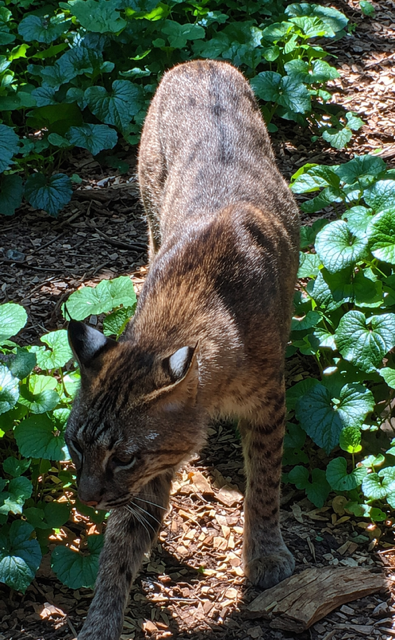
This is an AI edited photo of a captive bobcat from an education center!
Bobcats (Lynx rufus) are surprisingly well adapted to life on barrier islands, where a mix of maritime forests, salt marsh edges, and dense shrub thickets create their ideal habitat. These elusive cats rely on thick vegetation for cover while stalking prey and denning, often choosing hollow logs, palmetto clusters, or dense underbrush to raise their young. Their range extends across much of North America—from southern Canada through most of the United States and into Mexico—and they are found on many Atlantic and Gulf Coast barrier islands, including those in the southeastern U.S. Despite the isolation of these islands, bobcats are strong swimmers and have either dispersed naturally or persisted as stable island populations over time.
On barrier islands, bobcats play a vital ecological role as top predators. Their diet is highly adaptable, consisting primarily of small mammals like rabbits, rodents, and marsh-dwelling species, but they will also hunt birds, reptiles, and even opportunistically feed on carrion. By regulating prey populations, bobcats help maintain balance within these delicate ecosystems, preventing overgrazing and supporting plant community health. Their presence is often a sign of a relatively intact and functioning habitat. For more information on bobcats and specifically bobcats on South Carolina’s barrier islands, check out this link from Kiawah Island.