
Chain of food!
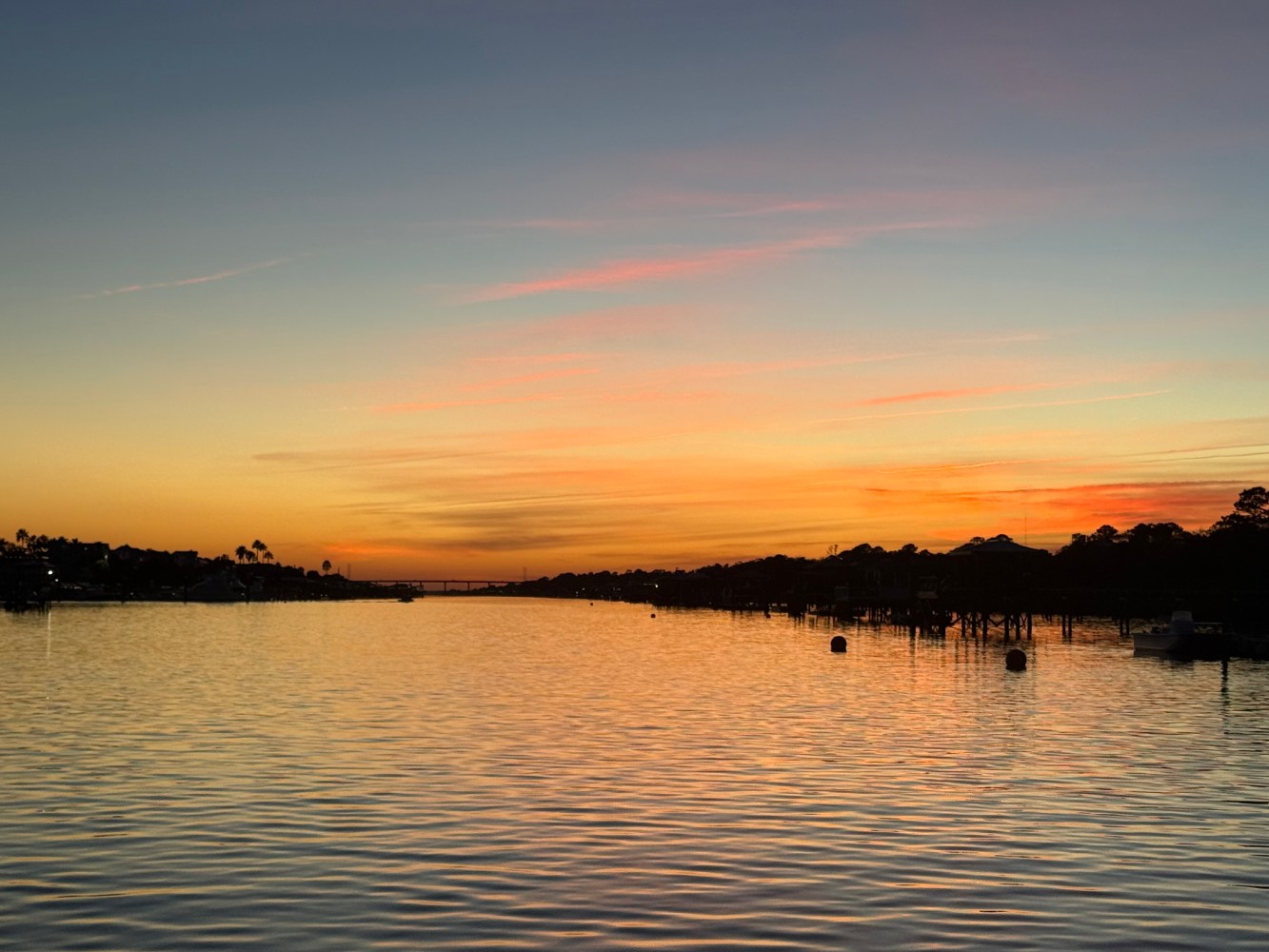
Sunset over the salt marsh.
In a tidal salt marsh, trophic levels describe how energy flows through the ecosystem, beginning with the sun. Sunlight powers photosynthesis in primary producers known as autotrophs, which include phytoplankton, marsh grasses, and algae. These autotrophs create their own food by converting solar energy into chemical energy, forming the base of the food web. Phytoplankton, tiny microscopic autotrophs floating in the water, are especially important because they supply energy and nutrients to nearly every other organism in the marsh. In addition to supplying energy, take one breath of oxygen and then a second. The first breath we can thank plants for that oxygen and then the second breath we can thank phytoplankton. Phytoplankton produce about ~50% of the world’s oxygen!
Next in a tidal salt marsh food web are heterotrophs, or consumers, which cannot make their own food and must rely on other organisms for energy. Primary consumers such as zooplankton, clams, and oysters feed directly on phytoplankton, while secondary consumers like small fish and crabs eat those organisms. At the highest trophic levels, tertiary consumers like herons, dolphins, and raccoons act as top predators. Also essential to the marsh are detritivores and decomposers, which occupy a vital trophic role by breaking down dead plants and animals (detritus). Organisms like fungi, bacteria, and invertebrates (FBI!) recycle organic matter back into nutrients. They then return them to the soil and water so autotrophs can reuse them, keeping the entire ecosystem functioning and balanced.