
Sea Turtles are coming!
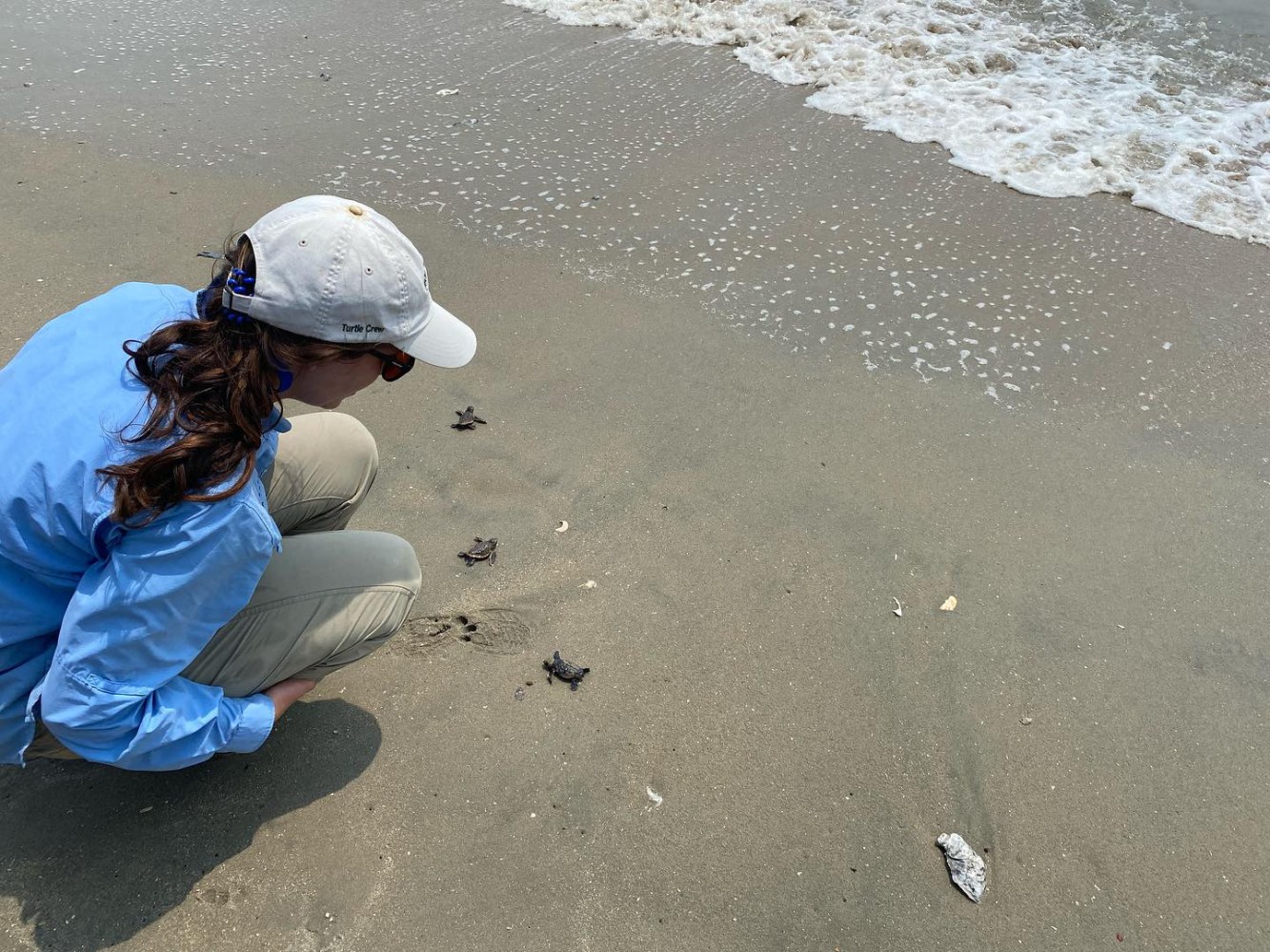
Under special wildlife permits, Capt. Nike has volunteers out at Cape Romain during nesting season!
Each summer, South Carolina’s beaches transform into vital nesting habitat for loggerhead sea turtles, and the most recent nesting season was another strong one. According to data compiled by seaturtle.org and regional monitoring programs, thousands of nests are recorded along the South Carolina coast each year, with recent seasons continuing an encouraging trend of high nesting activity. Dedicated teams of volunteers and biologists patrol beaches daily from late spring through fall, carefully marking and protecting nests to give hatchlings the best chance of survival. Loggerhead nesting season in South Carolina typically runs from May through October, when females come ashore multiple times to lay eggs in the dunes. If you are interested in viewing South Carolina’s nesting data for the year click here! (Note that this may be updated further at a later date when the season is over!).
During this time, community participation is essential. “Lights out for sea turtles” is one of the most important actions residents and visitors can take, artificial lights can disorient nesting mothers and hatchlings, pulling them away from the ocean. If you encounter a sea turtle on the beach, it’s important to keep your distance and never disturb it. In the case of an injured or deceased turtle, report it immediately to South Carolina Department of Natural Resources so trained professionals can respond and collect valuable data. The phone number to report the turtle is: 1-800-922-5431. Another important way to help with sea turtle conservation is reporting live sea turtle sightings! Reporting a live sea turtle can be done here: Live Sea Turtle Reporting! . Reducing single use plastics is another great conservation practice as is filling in holes or destroying sand castles when visiting the beach! By respecting these guidelines and supporting conservation efforts, we can all help protect these incredible animals and ensure South Carolina remains a safe nesting ground for generations to come.