
Wildlife Indicators
When ecologists talk about the health of an ecosystem, they often point to certain species whose presence, absence, or behavior reveals what’s happening behind the scenes. These aren’t just charismatic animals or plants, they’re ecological storytellers. In conservation biology, four especially important categories help us understand and protect natural systems: indicator species, Lazarus species, umbrella species, and keystone species. Each plays a unique role in how we study, restore, and manage habitats.
Indicator Species
Indicator species act as ecological “check-engine lights.” Their sensitivity to pollution, temperature changes, water quality, or habitat disruption makes them early warning signals of environmental stress. For example, amphibians, with their permeable skin and dual aquatic/terrestrial life stages, are well-known indicators of ecosystem health (Blaustein & Wake, 1995). When indicator species decline, it often means deeper problems are emerging or simply something is array with that particular habitat. In the saltmarsh Marsh Hens and American Oystercatchers are indicator species.
Lazarus Species
A Lazarus species is one that disappears from observation and is presumed extinct, only to reappear later, often due to renewed surveys, habitat recovery, or pure luck. The term draws from the biblical story of Lazarus rising from the dead. These rediscoveries highlight gaps in our knowledge and remind us how resilient (and elusive) some species can be (Scheffers et al., 2011). An example of a Lazarus species is a coelacanth. This fish was rediscovered off South Africa’s shore in 1938.
Umbrella Species
Umbrella species are those that require large, high-quality habitats to survive. By protecting them, conservationists automatically safeguard many other species that share the same ecosystem. Think of them as the big, protective umbrella under which countless organisms find shelter. The classic example is the northern spotted owl, by conserving the old-growth forests it needs, we also preserve entire forest communities (Roberge & Angelstam, 2004). In the saltmarshes in the lowcountry the diamondback terrapin is an umbrella species because protecting its needs protects several other species needs!
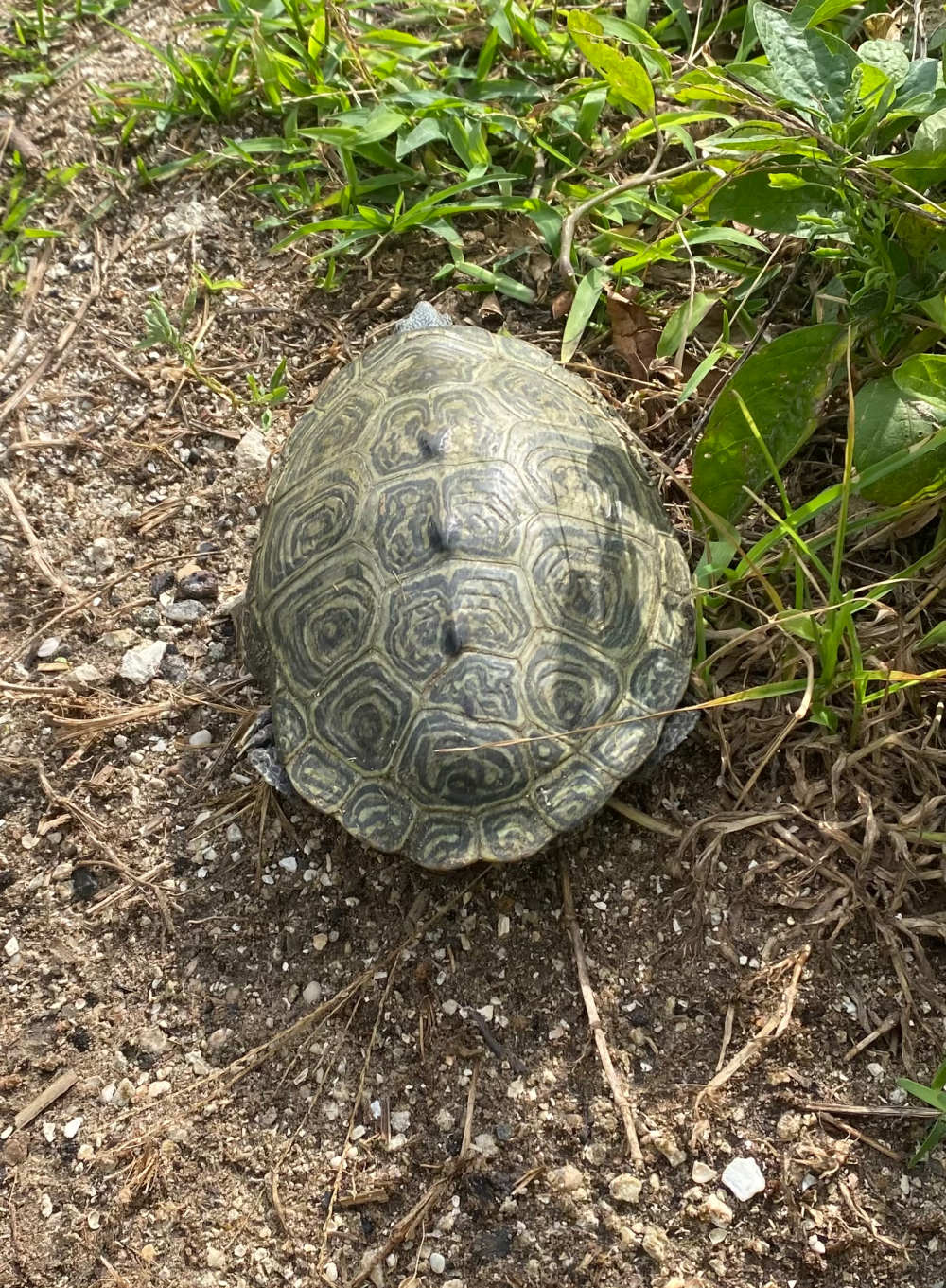
DBT (diamondback terrapin!)
Keystone Species
The term “keystone” species is a great metaphor. Keystones are stones that hold an archway together and without the keystone the arch would collapse. Much like removing a keystone species, the ecosystem system can collapse or radically transform. A famous example is the sea otter: when otter populations drop, sea urchins run rampant and destroy kelp forests by constantly grazing on the kelp (Estes & Palmisano, 1974). Keystone species hold the ecological structure together. Locally, think about the oysters in our salt marshes. If all are removed, nothing is there to hold the marsh banks in place. Osyters also create shelter and food for other animals. Oyster reefs or beds are productive just like corals are so it would be detrimental to the ecosystem to loose oysters. In addition to providing habitat, an adult oyster can filter about ~50 gallons of water in a day and are important for healthy water quality!