
The Pelagic Zone
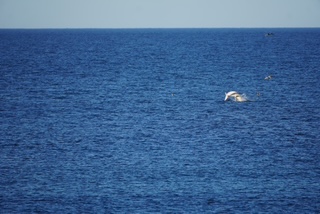
Pelagic waters!
When many people think about the ocean, they picture beaches, marshes, oyster reefs, or coral habitats near the shoreline. But far beyond the coast lies the pelagic zone, the vast open-ocean environment where animals live in the water column rather than near the seafloor. The word “pelagic” comes from the Greek word pelagos, meaning “open sea.” Unlike benthic habitats, which are associated with the ocean bottom, pelagic habitats extend through open water and include several depth zones ranging from sunlit surface waters to the dark deep sea. Off the coast of South Carolina, the pelagic zone includes productive waters along the continental shelf and the warm offshore currents of the Gulf Stream, supporting a remarkable diversity of marine life.
Many animals found offshore in South Carolina are specially adapted for life in the open ocean. Fast swimming fish such as mahi-mahi, tuna, wahoo, and flying fish travel through pelagic waters in search of food. Their streamlined bodies help reduce drag as they propel themselves through, and sometimes even out of, the water during highspeed chases. Seabirds including northern gannets, shearwaters, storm-petrels, and brown pelicans feed over these offshore waters, and some spend most of their lives at sea. Northern gannets have long, streamlined wings and powerful bodies that allow them to travel great distances in search of food and dive efficiently into the water to catch fish. Marine mammals also rely on pelagic habitats, from Atlantic spotted dolphins and common dolphins to migrating humpback whales and critically endangered North Atlantic right whales. Humpback and right whales are baleen whales, meaning they use comb-like baleen plates to filter tiny prey from the water while swimming and feeding.