
Red Fish Regs. Updates!
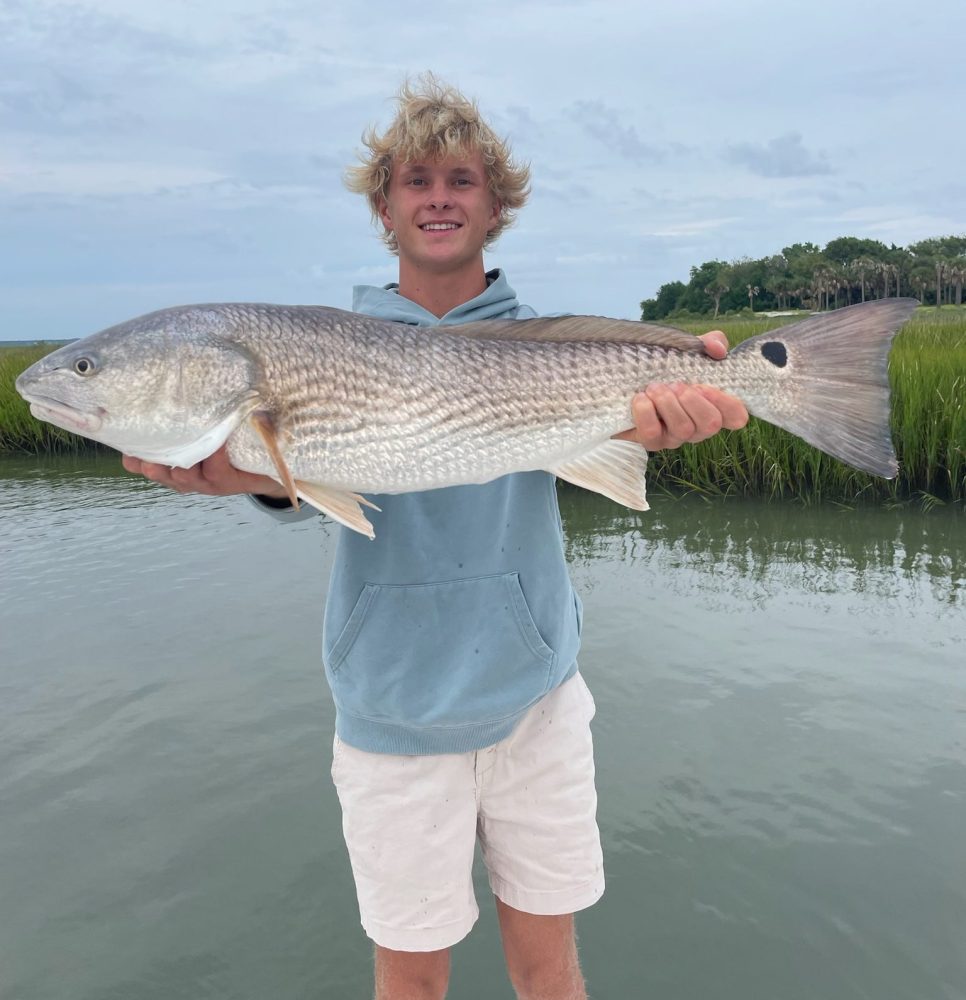
Wahoo with a red!
!Attention Anglers!
Beginning July 1, 2026, new regulations will take effect for red drum fishing in South Carolina as part of an effort to rebuild the state’s declining red drum population. Recent stock assessments conducted by both the South Carolina Department of Natural Resources (SCDNR) and the Atlantic States Marine Fisheries Commission found that red drum numbers have fallen to unsustainable levels, making harvest reductions necessary. These changes were developed through collaboration between SCDNR, neighboring state agencies, conservation organizations, and recreational anglers to help ensure a healthy fishery for future generations.
Under the new regulations, recreational anglers will be limited to harvesting one red drum per person per day (down from two), with a boat limit of two fish per day (down from six). The legal harvest slot size will change from 15–23 inches to 18–25 inches. In addition, anglers targeting gamefish such as red drum, cobia, and tarpon with natural bait and hooks 4/0 or larger must use non-offset, non-stainless circle hooks. Anglers 16 and older must still possess a valid recreational saltwater fishing license, and SCDNR encourages all anglers to follow best fish-handling practices to support the recovery of this important coastal species.
Red drum, often called “redfish,” are one of the most sought-after sportfish species in the Lowcountry. They are prized not only for their size and fighting ability, but also for their striking appearance. Their bronze-to-copper coloration and distinctive black spot, or sometimes spots, near the tail make them easy to recognize. These markings vary in size, shape, and number, making each fish unique.
As anglers, it is important to understand and follow these regulation changes as part of broader conservation efforts to protect red drum populations. Many fisheries biologists and experienced anglers also recommend minimizing air exposure during catch-and-release fishing. Some even advocate for keeping redfish completely in the water during photography whenever possible. Reducing handling time and keeping fish submerged helps lower stress levels and can improve their chances of survival after release.